Introduction
1. Yarn Dyeing: Heavy Startup Costs & Unavoidable Raw Material Waste
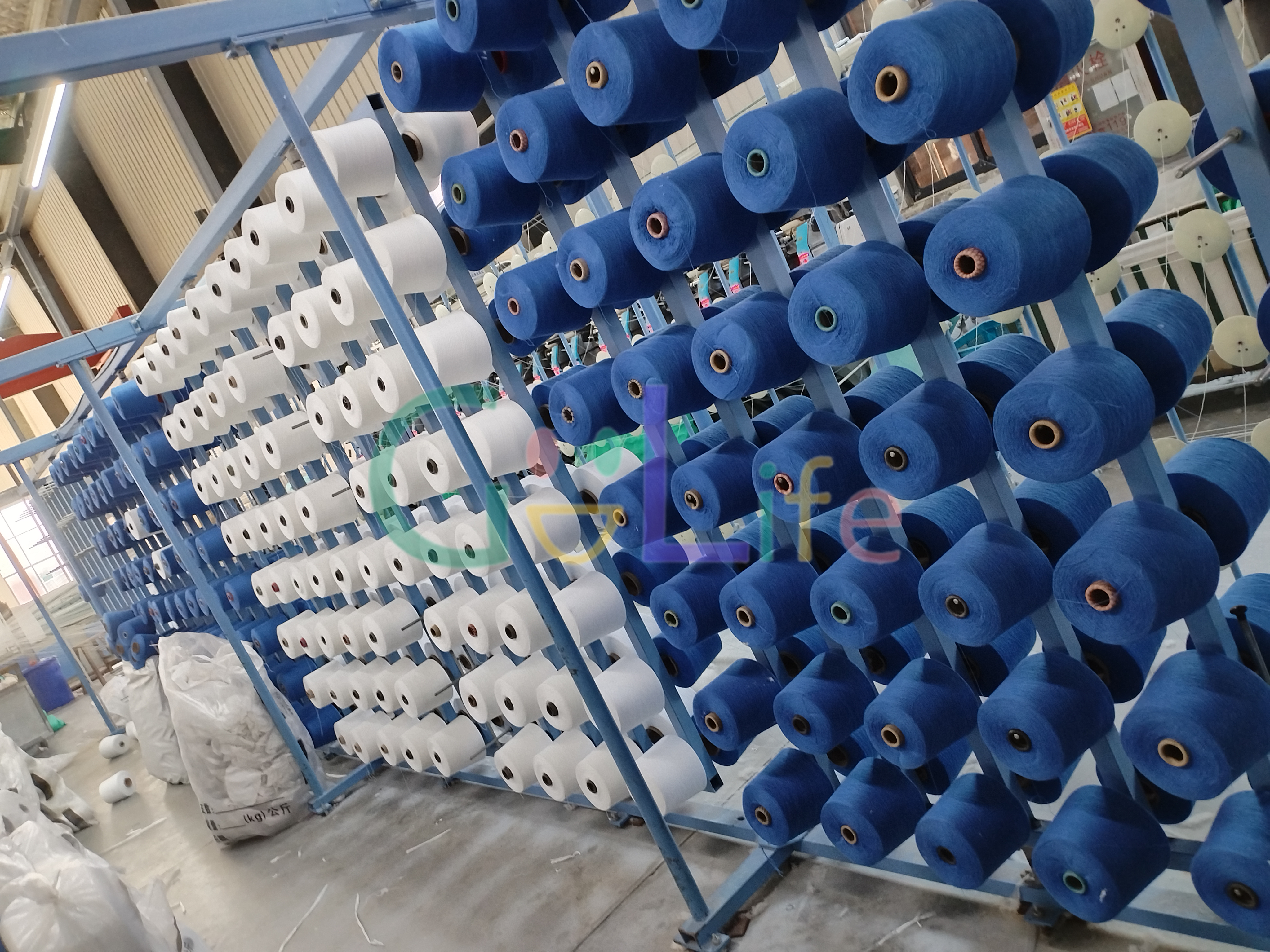
- Dye vats have a minimum loading capacity. Only dozens of kilograms of yarn can be processed in one single vat, which equals finished towels in hundreds. Tiny yarn volumes cannot be dyed separately.
- Every batch of colored yarn has to go through complete pre-dye procedures including scouring, soaping and color fixing. A fixed startup charge applies each time the dye vat operates. For small orders, this fixed cost is allocated to each towel, leading to an extremely high unit price.
- Custom color-matched yarn is exclusive to one single order and cannot be reused for other styles or clients. After small-batch production, surplus colored yarns have to be discarded, resulting in direct raw material scrap losses — this is the top reason factories hesitate to accept tiny yarn-dyed orders.
2. Pre-Weaving Warping & Yarn Arrangement: Custom Warp Beams Cannot Be Reused
- All-white warp yarn for solid towels fits universal warp beams that work for any solid order. No yarn layout reconfiguration is needed when switching styles, minimizing labor and machine consumption.
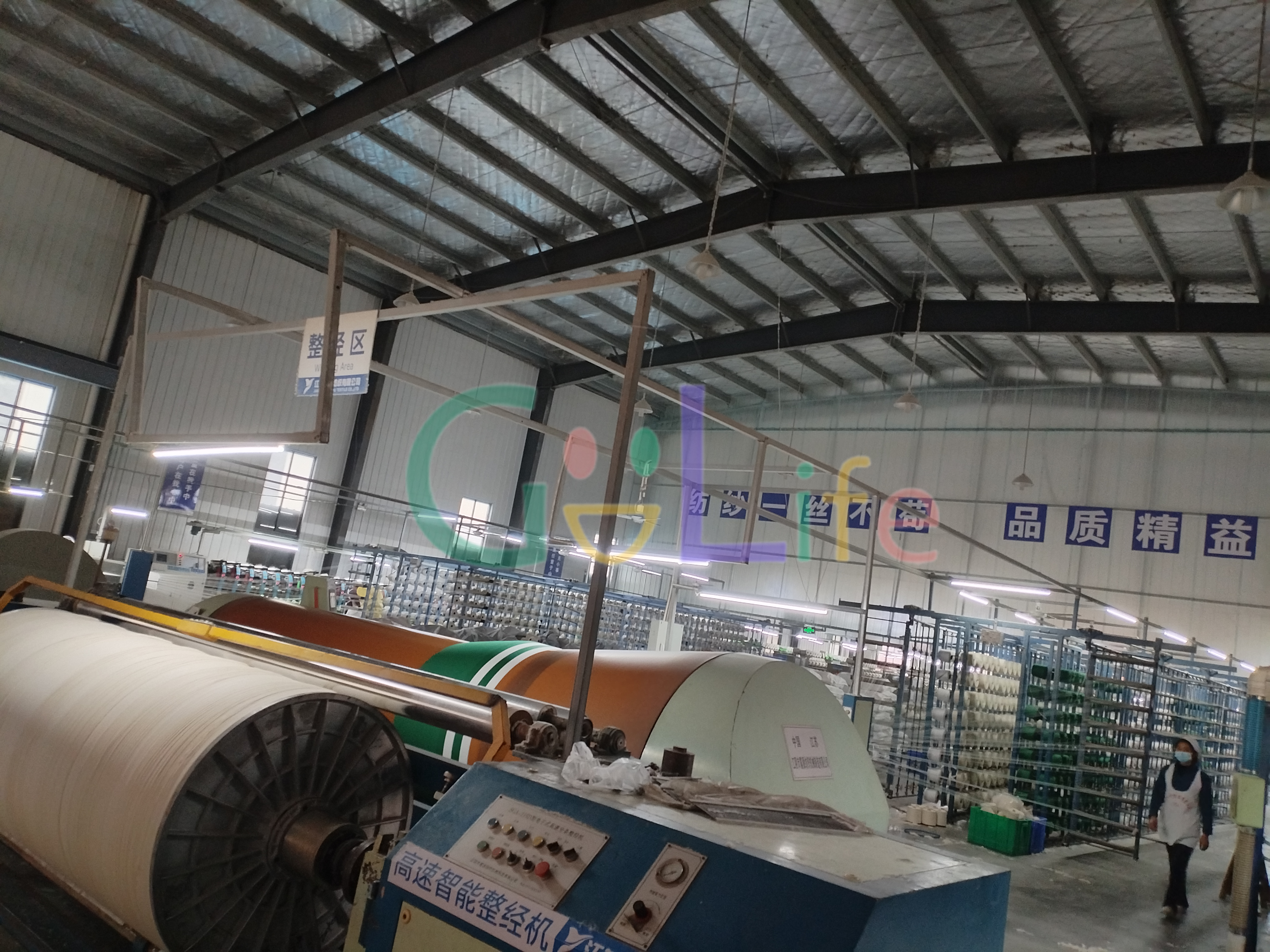
- Two-color yarn-dyed towels require alternating two shades of yarn according to stripe width and pattern rules to produce dedicated custom warp beams. Every new pattern or colorway demands a full warping restart, generating labor hours and machine energy losses.
Once a small order is finished, leftover colored yarn on the exclusive two-color warp beams cannot be applied to other styles, creating severe material waste.
3. High Machine Adjustment Expenses for Weaving Equipment
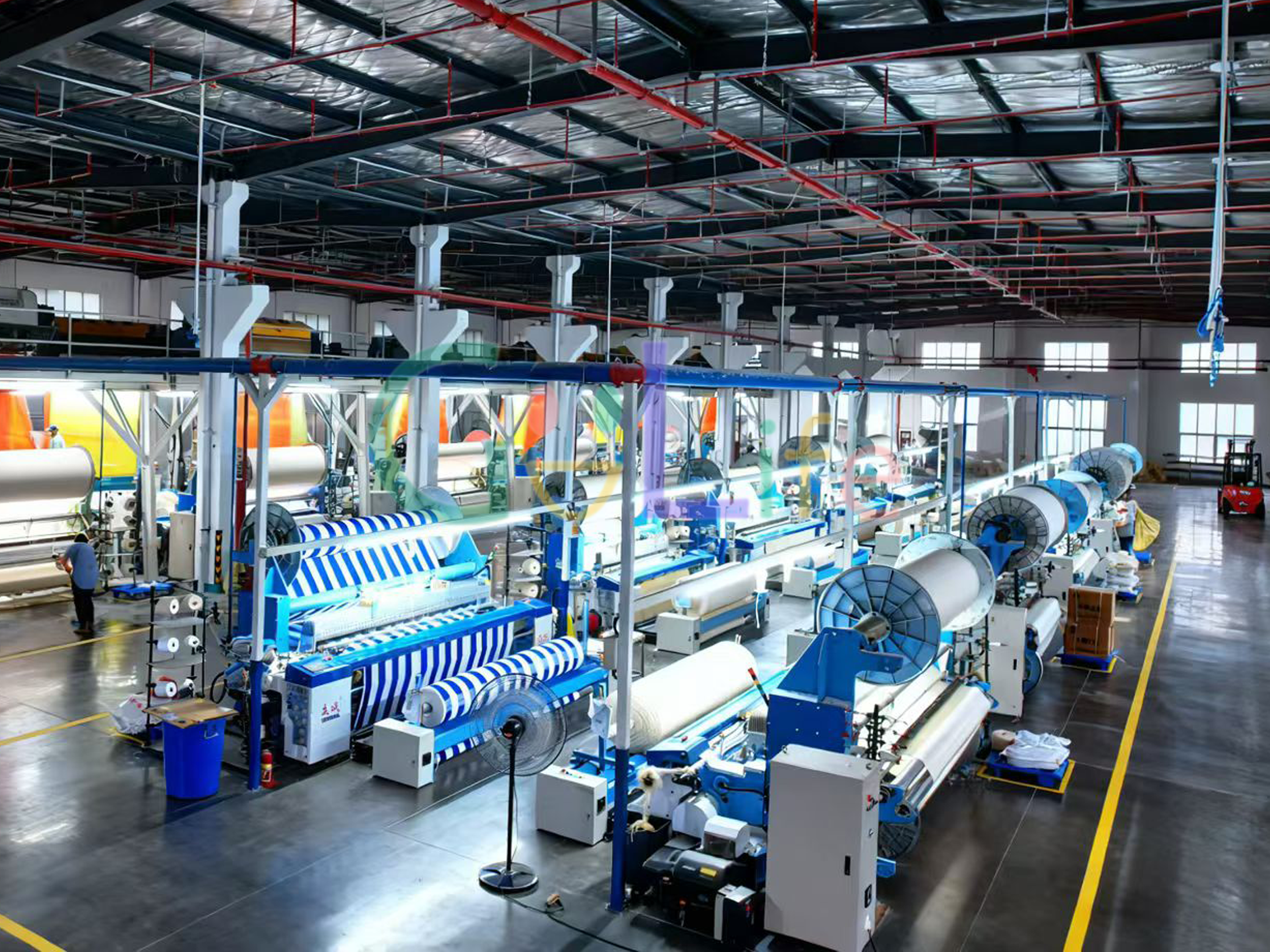
In contrast, striped or check yarn-dyed towels involve massive machine tuning work:
- Striped styles need calibration of the dobby jacquard system to set alternating rules for colored yarns.
- Checked styles require dual shuttle box installation to switch between two colored weft yarns repeatedly.
The whole adjustment process takes 2 to 8 hours, and all fabric produced during tuning counts as defective waste. The profit from small orders can never cover the losses from wasted fabric, exposing manufacturers to production deficits.
4. High Production Changeover Barriers & Severe Capacity Losses
- Solid grey blank towels can be manufactured in non-stop runs of hundreds or tens of thousands without mid-batch machine adjustments.
- Every new colorway or pattern of yarn-dyed goods forces a full production halt to dismantle warp beams, replace shuttle yarn and re-thread reeds, consuming massive loom working hours.
Small-batch yarn-dyed production disrupts the whole factory scheduling and cuts total output, which further pushes up unit production costs. We welcome all clients with large-volume orders for stable pricing and smooth lead times.
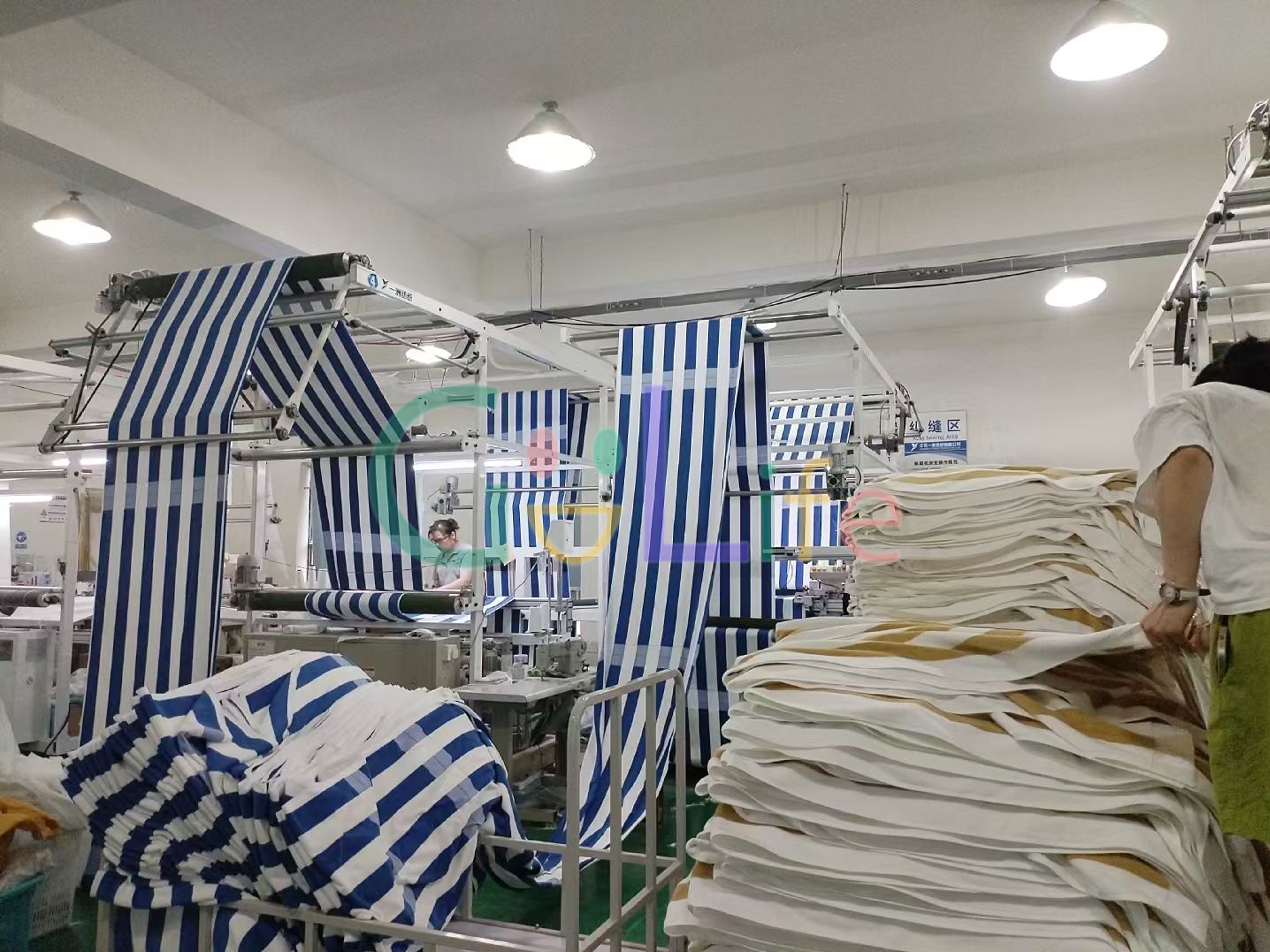
5. Widely Different Defect Loss Ratios
- Minor uneven color patches or slight yarn misalignment are barely visible on solid grey towels, leading to a low defect rate.
- Two-color woven fabrics are highly prone to obvious flaws such as misaligned stripes, color shading and misplaced colored weft yarn. During machine tuning for small batches, the defect rate can reach 10%–20%. With limited order volume, defect losses account for an oversized share of total revenue and bring substantial financial risks to manufacturers.
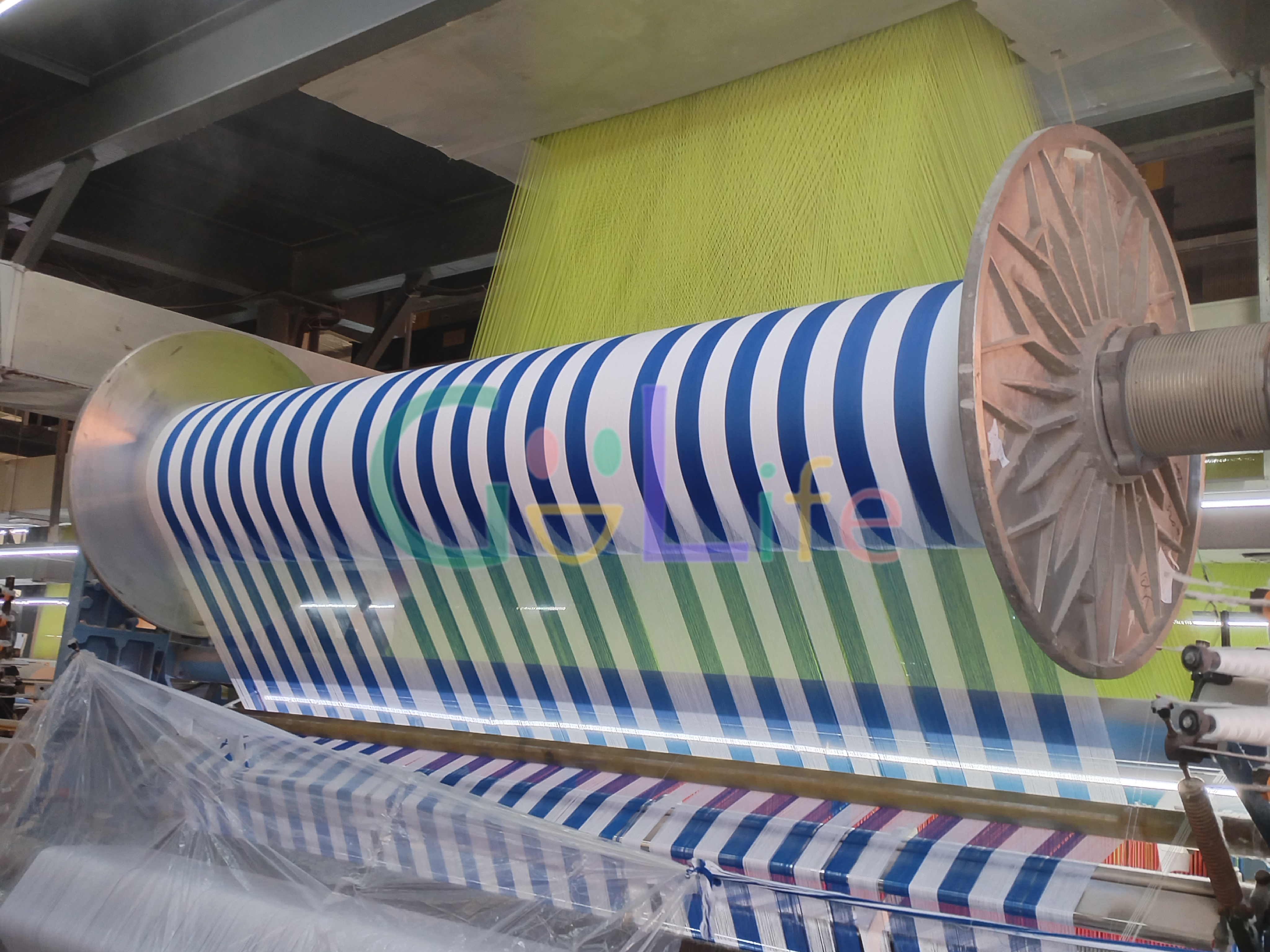
6. Distinct Inventory Risk Levels
- Solid grey blank towels are universal semi-finished goods that can be stocked long-term to fulfill random supplementary orders anytime.
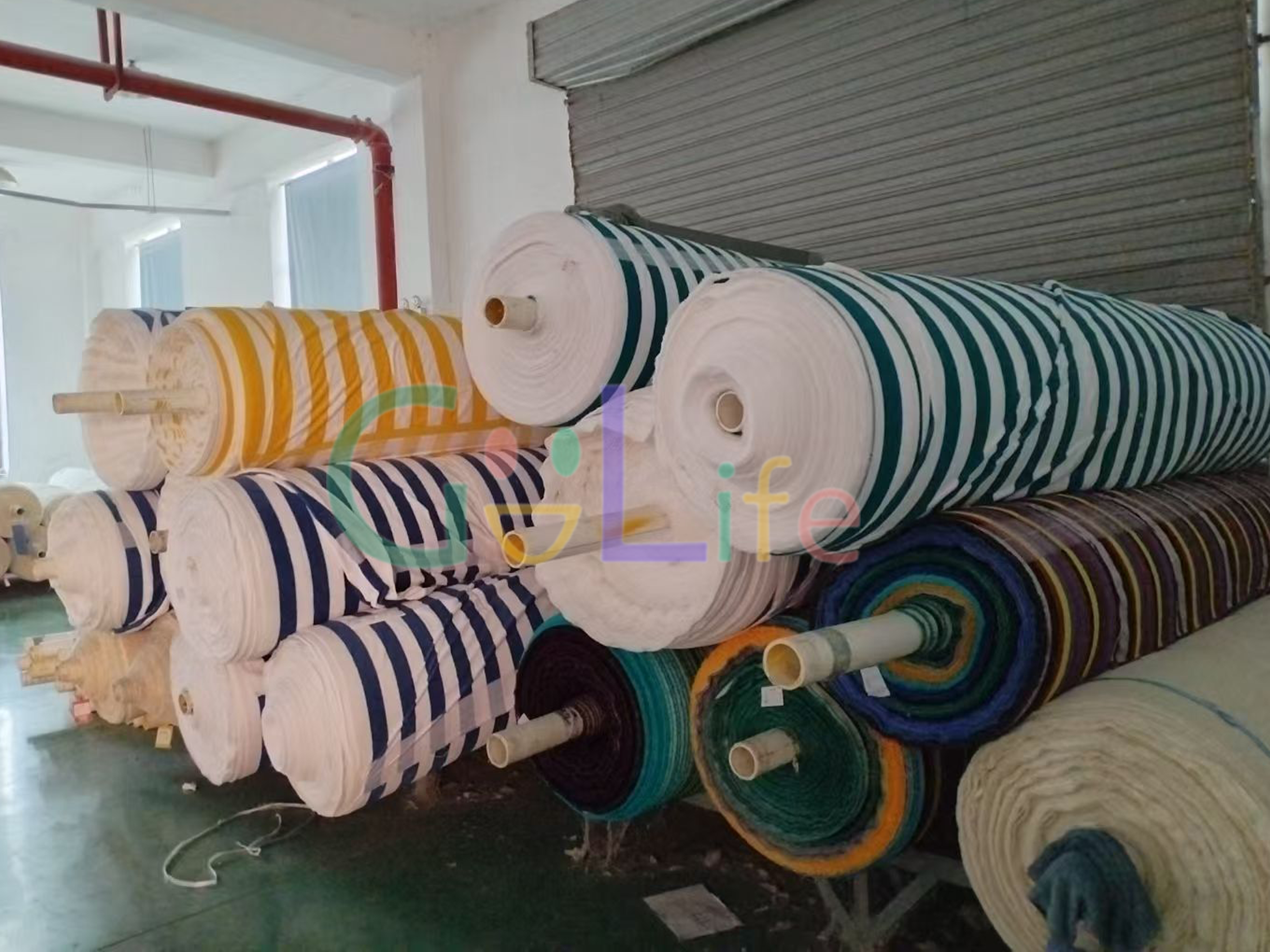
- Custom color yarn, exclusive two-color warp beams and patterned grey fabric are all order-exclusive materials. If clients cancel orders, these customized materials cannot be resold to other buyers and will lead to full inventory write-off losses.
Manufacturers set higher minimum order quantities to spread out dyeing and machine adjustment overheads and mitigate inventory waste risks.
Brief Summary
Post time: Jul-24-2026