
Driven by increasing consumer awareness of sustainability and environmental impact, organic cotton has become an important part of the textile industry. With the growing demand for organic products, understanding the growing conditions, advantages, disadvantages, and development trends of organic cotton is crucial for industry stakeholders. This article will explore these aspects in depth, providing a comprehensive overview of organic cotton.
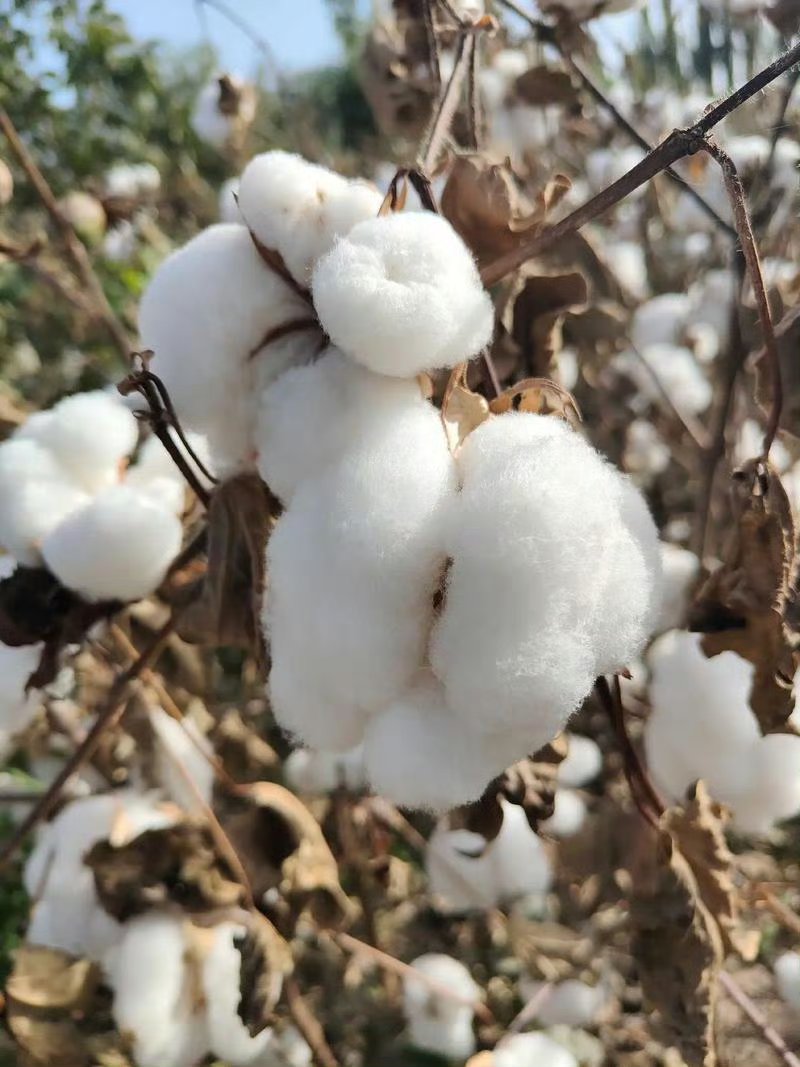
I. Organic Cotton Growing Conditions
Organic cotton cultivation differs significantly from conventional cotton cultivation, primarily in the absence of synthetic fertilizers and pesticides. The growing conditions for organic cotton are carefully designed to promote environmental sustainability and biodiversity. The following are the key growing conditions for organic cotton:
1. Soil Health
Organic cotton farming emphasizes the importance of healthy soil. Farmers use organic compost, mulch, and crop rotation to improve soil fertility. This practice not only improves soil nutrient content but also promotes microbial activity, which is crucial for plant growth.
2. Pest and Disease Management
In organic cotton farming, pest and disease control primarily relies on natural methods. Farmers typically employ integrated pest management (IPM) strategies, which include the use of beneficial insects, traps, and natural repellents. This approach minimizes reliance on chemical pesticides, thereby reducing environmental impact.
3. Water Resources Management
Water conservation is a key aspect of organic cotton cultivation. Farmers typically use rain-fed irrigation systems, supplemented by mulching and drip irrigation to optimize water use. These methods help retain soil moisture and reduce water waste.
4. Biodiversity
Organic cotton farms typically plant multiple crops in the gaps between cotton growing seasons to promote biodiversity. This practice not only benefits the local ecosystem but also helps with pest and disease control and soil health. The presence of diverse plants attracts beneficial insects and pollinating insects, further enhancing the sustainability of the agricultural system.
5. Certification Standards
To be labeled “organic cotton,” cotton must meet specific certification standards set by organizations such as the Global Organic Textile Standard (GOTS) or the USDA Organic Certification. These standards ensure that no harmful chemicals are used in the cultivation and processing of cotton, and that environmentally friendly cultivation and processing methods are followed.
II. Advantages and disadvantages of organic cotton
While organic cotton offers many advantages, it also presents some challenges. Understanding these advantages and disadvantages is crucial for consumers, producers, and farmers alike.
1.Advantages of Organic Cotton
Environmental Benefits: Organic cotton farming reduces soil degradation, conserves water, and promotes biodiversity. By avoiding the use of synthetic chemicals, organic cotton helps protect ecosystems and reduce pollution.
Greater Benefits to Farmers’ Health: Farmers who grow organic cotton have less exposure to harmful pesticides and chemicals, resulting in better physical health. This is especially important in developing countries where cotton farming is a major source of income.
Sustainable Practices: Organic cotton farming encourages sustainable agricultural practices such as crop rotation and composting, which can lead to long-term soil health and productivity.
Consumer Demand: With the increasing popularity of sustainable development concepts, consumers are demanding more organic products. This demand may drive up the price of organic cotton, thereby increasing economic benefits for farmers.
Fiber Quality: Organic cotton is generally considered to be of higher quality due to its natural growing environment. Without the use of chemicals, the fibers are softer and more durable, making it the preferred choice for many textile manufacturers.
2.Disadvantages of Organic Cotton
Higher Production Costs: The transition to organic farming is costly for farmers. The initial investment in organic seeds, certification, and sustainable farming practices can be substantial, resulting in higher prices for organic cotton.
Lower Yields: Organic cotton typically yields less than conventional cotton because it doesn’t use synthetic fertilizers and pesticides. Lower yields can be a challenge for farmers struggling to meet market demand.
Market Access: Farmers may face difficulties in accessing markets for organic cotton, especially in areas where organic farming is not yet widespread. This can limit their ability to sell their products at competitive prices.
Certification Challenges: Obtaining organic certification can be a complex and time-consuming process. Farmers must adhere to strict guidelines and maintain records, which can be burdensome, especially for small-scale producers.
Limited Supply: The supply of organic cotton remains relatively limited compared to conventional cotton. This shortage could lead to price increases and may not be able to meet the growing demand from consumers and manufacturers.

III. Development Trends of Organic Cotton

The organic cotton industry is experiencing rapid growth, influenced by a variety of factors including consumer preferences, technological advancements, and regulatory changes. Here are some key trends shaping the future of organic cotton:
1. Raise consumer awareness
With consumers becoming increasingly environmentally conscious, the demand for organic cotton is expected to rise. Major brands are responding by incorporating organic cotton into their product lines, thereby driving the development of the organic textile market.
2. Technological Innovation
Advances in agricultural technology are improving the way organic cotton is grown. Innovative technologies such as precision agriculture, which utilize data analytics and IoT devices, can help farmers optimize planting methods, increase yields, and reduce costs.
3. Sustainable Fashion Movement
The sustainable fashion movement is booming, with many brands committing to using organic and environmentally friendly materials. This trend is driving investment in organic cotton production and encouraging more farmers to switch to organic farming practices.
4. Policy Support
Governments and international organizations are increasingly recognizing the importance of sustainable agriculture. Policies supporting organic farming, such as subsidies and grants, can help farmers transition to producing organic cotton.
5. Cooperation and Partnership
Collaboration among stakeholders in the organic cotton supply chain is becoming increasingly common. Partnerships between farmers, brand owners, and NGOs can facilitate knowledge sharing, improve market access, and promote sustainable practices.
6. Certification and Standards Development
With the growth of the organic cotton market, there is an urgent need to develop clear and consistent certification standards. Continuously advancing the development and harmonization of certification processes will help enhance consumer trust and facilitate market entry for organic cotton producers.
7. Emphasize traceability
Consumers are increasingly concerned about the origin of products. The need for traceability in the organic cotton supply chain is driving the development of systems that can track cotton from farm to finished product, thereby ensuring transparency and accountability.
Organic cotton is a sustainable alternative to conventional cotton, offering numerous environmental and health benefits. However, it also faces challenges that need to be addressed to ensure its growth and viability in the market. With consumer demand for organic products continuing to grow, the organic cotton industry is poised for rapid development. By understanding the growing conditions, advantages, disadvantages, and emerging trends of organic cotton, stakeholders can make informed decisions, contributing to the sustainable development of the textile industry. The development of organic cotton is not merely about producing fiber, but about advocating for a holistic development model that balances agriculture, sustainability, and social responsibility.
Post time: Jan-16-2026