
Modal fabric has gained significant popularity in the textile industry over the past few decades. Known for its softness, breathability, and eco-friendliness, modal is a semi-synthetic fiber derived from beech tree pulp. This article will delve into the intricacies of modal fabric, exploring its advantages and disadvantages, as well as its diverse applications in the fashion and textile sectors.
I. Introduction to Modal Fabric
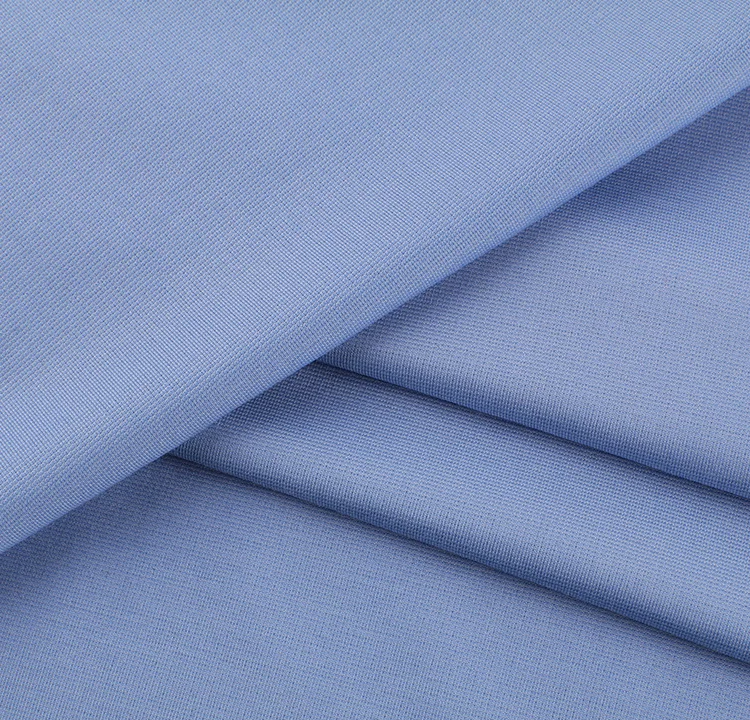
Modal fabric is a type of rayon, which is a regenerated cellulose fiber. The production process begins with the harvesting of beech trees, which are known for their sustainable growth and minimal environmental impact. The wood is then processed to extract cellulose, which is dissolved in a solvent to create a viscous solution. This solution is extruded through spinnerets to form fibers, which are then spun into yarn and woven or knitted into fabric.
One of the key characteristics of modal fabric is its luxurious feel. It is often compared to silk due to its smooth texture and drape. Modal is also known for its excellent moisture-wicking properties, making it a popular choice for activewear and undergarments. Additionally, modal fabric is biodegradable, which adds to its appeal as a sustainable textile option.
II. Advantages of Modal Fabric
1. Softness and Comfort
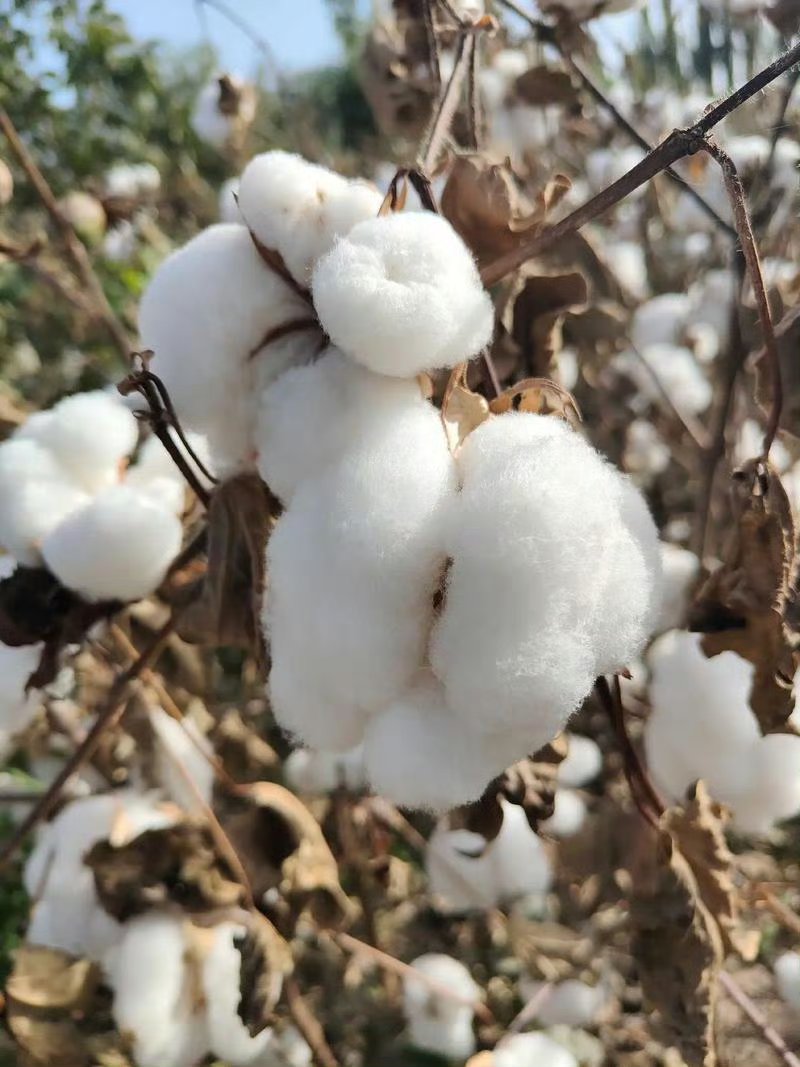
One of the most significant advantages of modal fabric is its incredible softness. The fibers are finer than cotton, resulting in a smooth and silky texture that feels gentle against the skin. This makes modal an ideal choice for clothing items that require comfort, such as loungewear, pajamas, and undergarments.
2. Breathability
Modal fabric is highly breathable, allowing air to circulate freely. This property helps regulate body temperature, making it suitable for both warm and cool climates. The moisture-wicking ability of modal also means that it can absorb and release moisture quickly, keeping the wearer dry and comfortable.
3. Durability
Despite its delicate appearance, modal fabric is surprisingly durable. It is resistant to shrinking and fading, maintaining its color and shape even after multiple washes. This longevity makes modal a cost-effective choice for consumers, as garments made from this fabric can withstand regular wear and tear.
4. Eco-Friendly
Modal is often touted as an eco-friendly alternative to traditional fabrics. The beech trees used in its production are grown in sustainably managed forests, and the manufacturing process uses less water and energy compared to cotton. Additionally, modal is biodegradable, meaning it will break down naturally over time, reducing its environmental impact.
5. Versatility
Modal fabric is incredibly versatile and can be blended with other fibers, such as cotton, spandex, or polyester, to enhance its properties. This adaptability allows for a wide range of applications, from casual wear to high-end fashion.
III. Disadvantages of Modal Fabric
1. Cost
One of the primary drawbacks of modal fabric is its cost. While it is generally more affordable than silk, it can be more expensive than cotton or polyester. This higher price point may deter some consumers, especially those on a budget.
2. Care Requirements
Modal fabric requires special care to maintain its quality. It is recommended to wash modal garments in cold water and avoid using bleach or fabric softeners. Additionally, modal should be air-dried or tumble-dried on a low setting to prevent damage. These care requirements may be inconvenient for some consumers.
3. Environmental Concerns
While modal is considered more eco-friendly than many synthetic fabrics, the production process still involves the use of chemicals and solvents. Some critics argue that the environmental impact of modal production can be significant if not managed properly. It is essential for consumers to seek out brands that prioritize sustainable practices in their modal production.
4. Limited Stretch
Although modal can be blended with stretchy fibers like spandex, pure modal fabric has limited elasticity. This can make it less suitable for form-fitting garments or activewear that requires a high degree of stretch and recovery.
IV. Applications of Modal Fabric
1. Apparel
Modal fabric is widely used in the apparel industry due to its softness and comfort. It is commonly found in t-shirts, dresses, skirts, and loungewear. The fabric’s luxurious feel makes it a popular choice for high-end fashion brands, while its durability appeals to everyday consumers.
2. Activewear
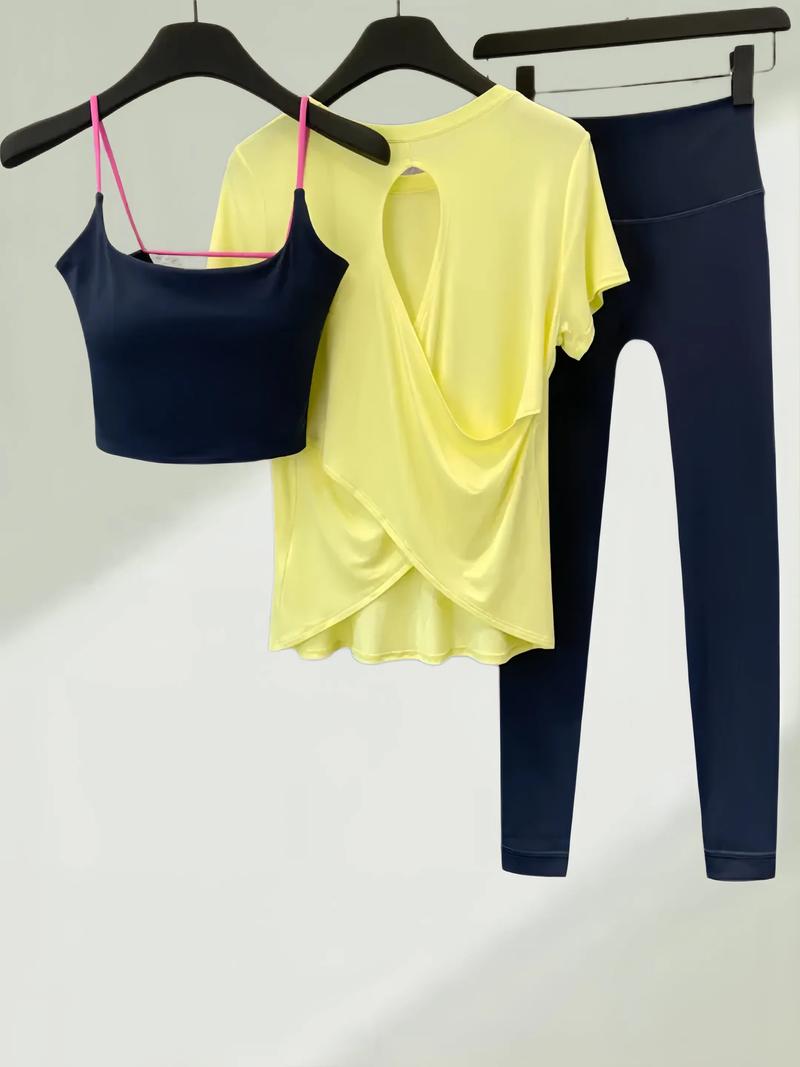
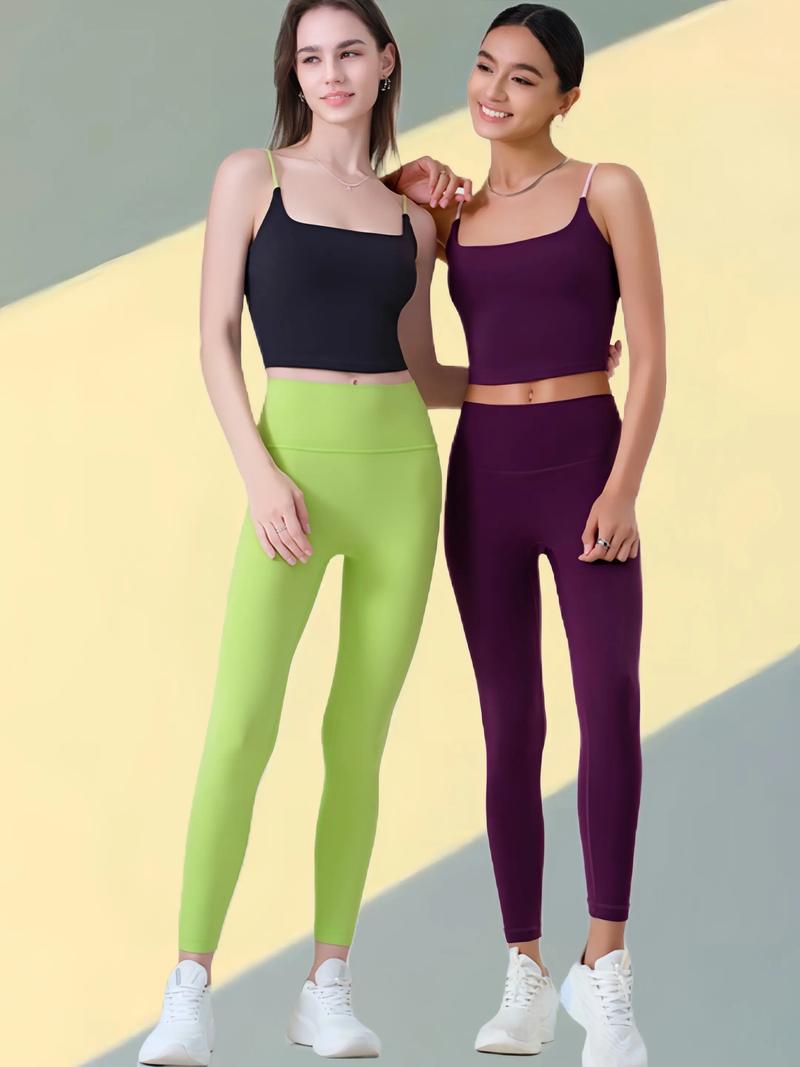
Thanks to its moisture-wicking properties, modal is increasingly being used in activewear. It is often blended with other fibers to create breathable and comfortable workout clothing, such as leggings, sports bras, and tank tops. The fabric’s ability to regulate temperature makes it suitable for various physical activities.
3. Home Textiles
Modal fabric is also used in home textiles, including bed linens, towels, and curtains. Its softness and breathability make it an excellent choice for bedding, providing a comfortable sleeping environment. Additionally, modal’s durability ensures that home textiles maintain their quality over time.
4. Underwear and Sleepwear
The softness and moisture-wicking properties of modal make it a popular choice for underwear and sleepwear. Modal undergarments are often favored for their comfort and ability to keep the wearer dry throughout the night. Pajamas made from modal fabric are also highly sought after for their luxurious feel.
5. Fashion Accessories
Modal fabric is used in various fashion accessories, including scarves, shawls, and wraps. Its lightweight nature and elegant drape make it an ideal choice for layering pieces that add style and comfort to any outfit.
Modal fabric is a remarkable textile that offers a unique combination of softness, breathability, and eco-friendliness. While it has its disadvantages, such as cost and care requirements, the advantages often outweigh the drawbacks for many consumers. With its diverse applications in apparel, activewear, home textiles, and more, modal fabric continues to be a popular choice in the fashion industry. As sustainability becomes increasingly important to consumers, modal’s eco-friendly properties position it as a viable alternative to traditional fabrics. Whether you’re looking for comfortable loungewear or stylish activewear, modal fabric is worth considering for its luxurious feel and versatility.
Post time: Jan-30-2026