
According to the latest customs data, chinese 100% full cotton greige fabric import and export market showed significant growth in November 2025. Exports reached 48.58 million meters, a year-on-year increase of 22%, while imports also achieved positive growth. Against the backdrop of a restructuring in the global textile industry, this demonstrates strong industrial resilience. This performance not only outpaced the growth of cotton products in major textile exporting countries such as India during the same period, but also highlighted the core competitiveness of 100% full cotton greige fabric in high-end supply and diversified market layout.
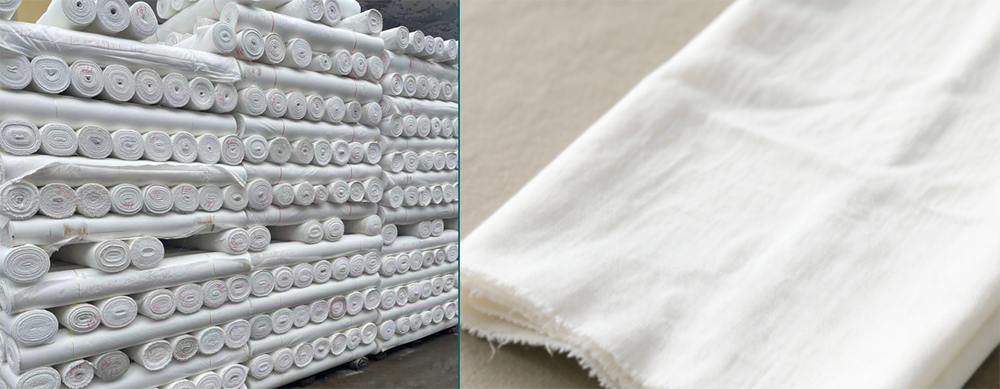
Exports Surge 22%: High-Count Products Become the Main Driver of Growth
In November 2025, 100% full cotton greige fabric export market experienced explosive growth, with exports reaching 48.58 million meters, a significant increase of 22% compared to the same period last year, setting a new record for monthly growth this year. In terms of export structure, high value-added products became the core driver of growth. Exports of high-count, high-density greige fabrics (60 count and above) accounted for over 35%, a year-on-year increase of 38%, mainly supplying textile processing bases in Southeast Asia such as Bangladesh, Vietnam, and Indonesia. While these regions have received a large number of garment orders from Europe and the United States, their reliance on my country’s high-count cotton grey fabric remains at 60%-70% due to limitations in industrial support and technological levels.
The diversification of trade channels has further boosted export growth. Affected by Sino-US tariff policies, Chinese enterprises have actively expanded entrepot trade routes, indirectly connecting with European and American demand through “springboard” markets such as Southeast Asia and Mexico. In November, related entrepot trade accounted for 28% of total trade, an increase of 11 percentage points year-on-year. Meanwhile, the cross-border e-commerce B2B model continues to gain momentum. Data from Alibaba International platfrom shows that in November, the export transaction value of cotton grey fabric achieved through digital platforms increased by 45% year-on-year, with the minimum order quantity dropping to 50 meters, effectively absorbing fragmented order demand and hedging against the risks of traditional foreign trade fluctuations.
High-end demand is prominent, and consumption upgrades are driving structural optimization.
In line with the high export growth, my country’s imports of cotton grey fabric also achieved positive year-on-year growth in November 2025, mainly concentrated in the high-end and specialty product sector. Among imported fabrics, high-count long-staple cotton greige fabrics from the United States, functionally treated greige fabrics from Japan, and EU organic-certified greige fabrics have become the main imports, accounting for over 75% of the total. This trend reflects the differentiated demands driven by domestic consumption upgrades. With Generation Z’s willingness to pay for environmentally friendly products rising to 73.6% and the elderly’s preference for healthy bedding materials reaching 86.4%, the demand for high-quality all-cotton greige fabrics continues to expand in mid-to-high-end apparel, maternity and baby products, and medical and hygiene supplies.
It is worth noting that the technical characteristics of imported products provide a reference for domestic industrial upgrading. For example, the carbon footprint control technology of EU organic-certified greige fabrics and the antibacterial and wrinkle-resistant treatment process of Japanese functional greige fabrics are driving domestic companies to accelerate green technology research and development. Currently, leading companies such as Luthai and Weiqiao have applied bio-enzyme pretreatment technology on a large scale, reducing the carbon footprint of their products to 0.86 kg CO₂e/piece. Export orders for related “zero-carbon cotton” greige fabrics have increased by 152% year-on-year, with a premium of 18%-25%.
Three Factors Support Growth, Industry Embraces Structural Opportunities
Analysts point out that the strong performance of cotton grey fabric imports and exports in November is the result of the combined effects of industrial upgrading, market layout, and policy dividends. From the industry perspective, the domestic cotton grey fabric industry is accelerating its intelligent and green transformation. Major producing areas such as Jiangsu and Shandong have boosted equipment efficiency to 78.6% and reduced unit production costs by 11% through policies such as subsidies for intelligent transformation and environmental tax reductions, continuously enhancing their core competitiveness.
The restructuring of the global market landscape brings new opportunities to China. On the one hand, competitors such as India saw their cotton product exports grow by only 4.1% in November, significantly lower than chinese 22% increase, further highlighting their capacity shortage in the high-end grey fabric sector. On the other hand, the tariff reduction benefits of the RCEP agreement continue to be released, with chinese export tariffs on cotton grey fabrics to ASEAN gradually decreasing to zero. Exports to ASEAN increased by 29% year-on-year in November, becoming the most significant growth driver.
Exchange rate factors also played a positive role. In November 2025, the RMB exchange rate against the US dollar remained stable, providing favorable conditions for cotton grey fabric exporters with “large volume, low profit” products to secure stable orders and effectively alleviating cost pressures from global economic uncertainties.
Looking ahead, the cotton grey fabric industry is expected to continue its growth trend, but structural differentiation will further intensify. Driven by both policy and market forces, green transformation will become a core competitive advantage for enterprises. The proportion of OEKOTEX certified grey fabric exports is projected to increase from 34% in 2025 to 51% in 2030, and carbon data governance driven by the EU’s CBAM mechanism will become a key factor for industry entry. Meanwhile, the widespread adoption of digital weaving platforms will continue to shorten order response times, and flexible supply chain capabilities will become a crucial asset for enterprises to seize market share.
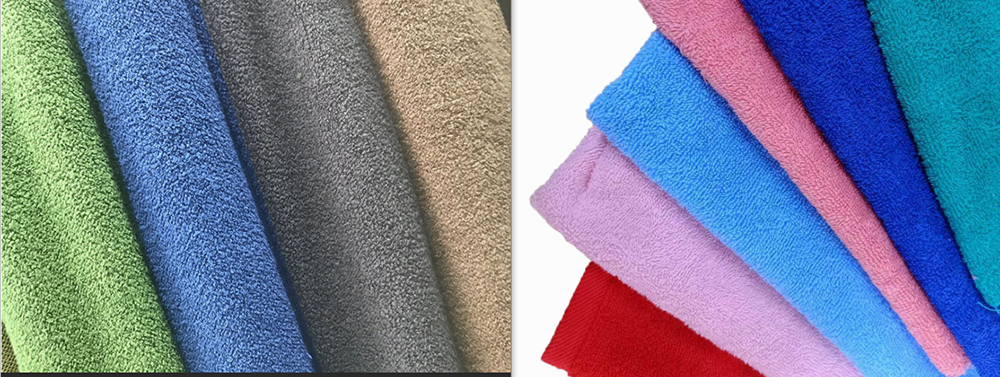
Huaian Goodlife Textile Co.,Ltd,a factory which has rich experience in the cotton fabric or products made of cotton fabric , like the hotel towels , hotel robe, poncho towel, sport towel, beach towel etc, we accept from yarn, color , fabric thickness, component, customized logo or package, Besides cotton fabric product, our facotry also can produce textile products like the blanket , the waterproof changing robe, etc. if you show any interested welcome consult us or visit our website for reference any time.you can get good price and good service from us. Looking forward to the cooperation and friendship between us.
Post time: Dec-24-2025